Friendship Stress: The Part of Back to School We Don't Talk About Enough

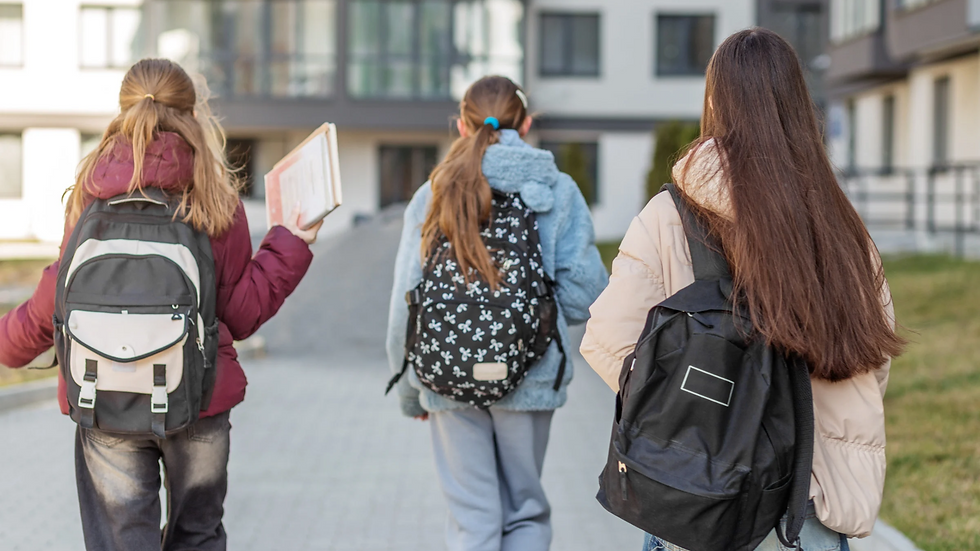
As a new school year begins, conversations often focus on schedules, homework, extracurricular activities, school supplies and academic goals. Yet for many children and teenagers, some of the greatest worries about returning to school have very little to do with academics.
Will my friends still want to spend time with me?
What if I am left out?
What if I do not find my people this year?
What if friendships have changed over the summer?
What if everyone seems to be getting along except me?
For tweens and teens, relationships with peers play an important role in emotional development and a growing sense of identity. Changes in friendships, conflict, exclusion and concerns about fitting in can create significant stress, particularly during periods of transition.
Understanding friendship stress does not mean dismissing it as typical teenage drama. These experiences can feel very significant to a young person and can affect confidence, mood, school engagement and overall mental wellbeing.
Why Friendship Changes Can Feel So Significant
During adolescence, young people become increasingly aware of how they are perceived by others. Peer relationships can become an important source of belonging, validation and identity development.
This means that a friendship conflict that may appear relatively small from an adult perspective can feel much larger to the young person experiencing it.
Returning to school can also reactivate social worries that may have been quieter during the summer. Friend groups may have changed. New students may have joined the school. Existing friendships may have become closer or more distant. A young person may also be entering a new grade with different social expectations.
The fear of being left out can activate a strong emotional response. Social rejection and exclusion can be experienced as deeply distressing because belonging is an important human need.
For some young people, this can contribute to social anxiety. They may begin anticipating negative social experiences before they happen, carefully monitoring what they say, comparing themselves with others or avoiding situations where they feel exposed.
When Comparison and Social Media Intensify the Pressure
Social comparison is a normal psychological process, but adolescence can be a particularly sensitive period for comparing appearance, popularity, friendships, achievements and social experiences.
Social media can make this comparison feel constant.
A teenager may see photographs of classmates together and wonder why they were not invited. They may interpret a lack of messages as evidence that others do not value friendship. They may repeatedly check social media for signs of exclusion or spend considerable time thinking about how they are perceived online.
The difficulty is that social media rarely provides the complete picture.
A photograph captures one moment. A post represents what someone chose to share. A group conversation may contain context that is invisible online. Yet when someone is already feeling uncertain about belonging, these small pieces of information can easily become evidence for a much larger story.
Parents can help by encouraging young people to distinguish between what they know and what they fear might be true.
For example:
What do you know happened?
What are you assuming happened?
What other explanations might exist?
What would you want to do if your concern turns out to be true?
This approach can help a young person move from immediate emotional reaction toward reflection and problem solving.
Helping Young People Navigate Friendship Conflict
Friendship conflict is not always a sign that a relationship has failed. Learning how to communicate, repair misunderstandings, establish boundaries and recognize unhealthy relationship patterns are important developmental skills.
When a young person comes home upset about a friendship, the first response does not always need to be advice.
Start with understanding.
You might ask:
“What happened from your perspective?”
“What was the hardest part for you?”
“What do you wish had happened differently?”
“What do you need right now?”
These questions create space for the young person to process the experience before moving toward solutions.
It can also be helpful to teach the difference between conflict and harmful behaviour. Disagreements and misunderstandings can occur in healthy relationships. Repeated humiliation, intimidation, threats, deliberate exclusion or other patterns of harmful behaviour require a different level of attention and support.
Bullying should never be minimized as simply part of growing up.
If a young person is experiencing persistent bullying or feels unsafe at school, adults have an important role in responding. This may involve communicating with the school, documenting concerns and ensuring the young person knows they do not have to manage the situation alone.
Building Social Confidence Without Forcing Connection
Parents sometimes feel pressure to solve their child's friendship difficulties quickly. However, social confidence is rarely developed through pressure to “just make friends.”
Instead, young people can benefit from opportunities to develop social skills gradually.
Encourage activities that create natural opportunities for connection based on shared interests. Help them identify one or two people they feel comfortable around rather than focusing on becoming part of a large group.
It can also be useful to practice specific skills, such as:
Starting a conversation
Joining a group appropriately
Expressing a preference
Responding when someone disagrees
Setting a boundary
Handling rejection
Repairing a misunderstanding
Asking for help
These skills become easier with practice, and mistakes are part of learning.
Parents can also remind young people that belonging does not require changing who they are to gain acceptance. Healthy friendships allow room for individuality, boundaries and mutual respect.
When Friendship Stress Becomes a Mental Health Concern
Some degree of social worry is common during transitions. However, it is worth paying closer attention when friendship concerns begin interfering significantly with daily functioning.
Parents may notice changes such as persistent sadness, increased irritability, withdrawal from activities, difficulty sleeping, changes in appetite, frequent physical complaints, reluctance to attend school, intense fear of social situations or ongoing negative beliefs about oneself.
The goal is not to determine whether every difficult friendship experience requires professional support. Rather, it is to notice when distress is becoming persistent, intense or difficult for a young person to manage independently.
Early support can provide an opportunity to develop emotional regulation, communication skills, coping strategies and a healthier understanding of relationships before distress becomes more entrenched.
Supporting Connection During the School Year
The social challenges of returning to school deserve the same compassion and attention as academic pressures.
Young people do not need adults to eliminate every difficult friendship experience. They need supportive adults who can listen without immediately judging, help them make sense of what they are experiencing and teach them skills for navigating relationships with greater confidence.
For parents, one of the most meaningful messages may be simple:
You do not have to figure this out alone.
Friendships change. Social groups shift. Conflict happens. People grow.
What matters is helping young people develop the self awareness, emotional skills and confidence to recognize healthy relationships, respond to difficult situations and seek support when they need it.
A new school year does not have to begin with the expectation that everything will go perfectly. It can begin with an understanding that relationships are part of growing, and that learning how to navigate them is a meaningful part of emotional development.
If friendship stress, social anxiety or school related concerns are affecting your child's wellbeing, professional support can provide a safe space to understand what is happening and develop practical strategies for moving forward.
Disclaimer: This article is for educational and informational purposes only. This is not a substitute for therapy or professional mental health care and does not create a therapeutic or client-therapist relationship. Use the information that feels helpful to you and leave what doesn’t. Please, reach out to a qualified mental health professional if you are experiencing persistent distress or need personalized support.